Lily: A Dainty and Sweet Script Font for Web Design
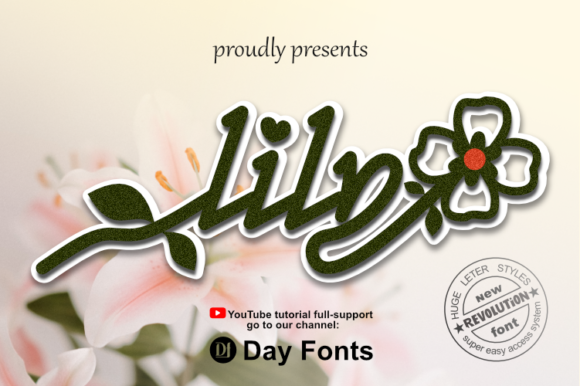
As a web designer, finding the right font can make or break your design. Lily, a dainty and sweet script font, is a perfect choice for adding a touch of elegance and personality to your digital projects. Highly detailed and unique, Lily will look fabulous on a variety of design ideas, from website headers to online store banners.
Visual Characteristics and Personality of Lily
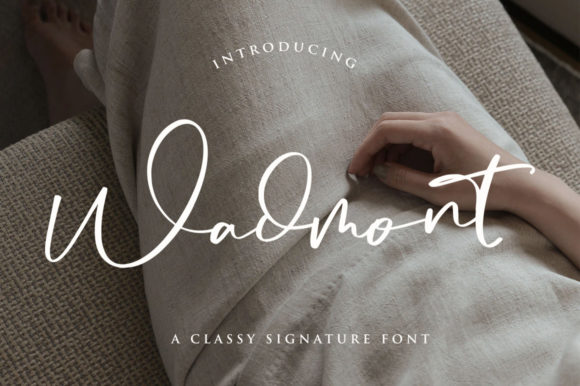
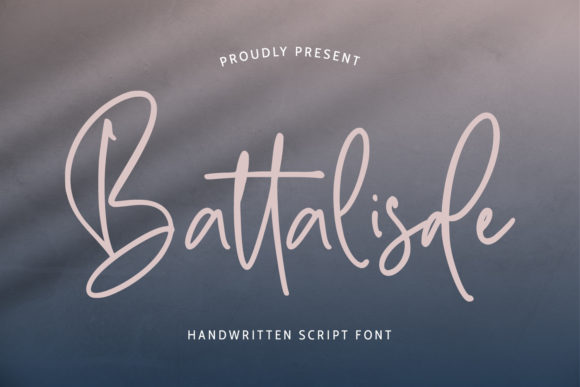
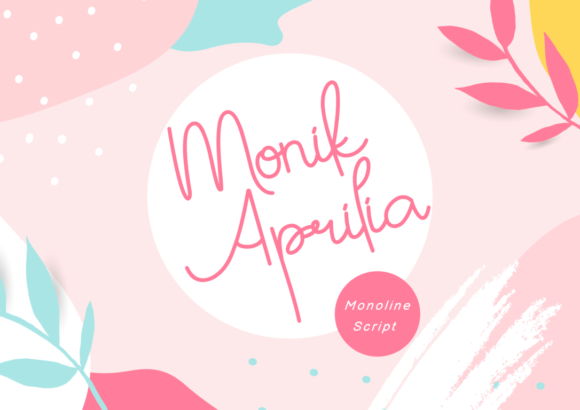
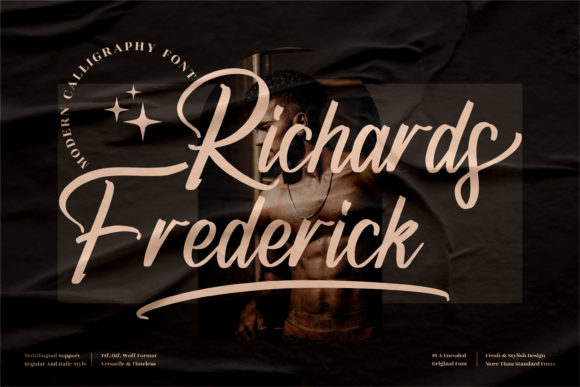
Lily's flowing, hand-drawn style gives it a charming and organic feel. The delicate curves and intricate details make it stand out, making it ideal for creating a memorable and visually appealing brand identity. Its romantic and whimsical nature makes it particularly suitable for brands that want to convey a sense of sophistication and grace.
Using Lily in Website Headers and Hero Sections
Website headers and hero sections are often the first elements visitors see, so they need to make a strong impression. Using Lily in these areas can create a welcoming and inviting atmosphere. For example, a creative portfolio site can use Lily for the main title, drawing attention and setting the tone for the rest of the page. Pairing it with a clean sans serif font for the subheadings and body text ensures readability and balance.
Enhancing Readability and Visual Hierarchy
While Lily is highly decorative, it's important to use it judiciously to maintain readability. It works best for short, impactful phrases such as headings, call-to-action buttons, and logo text. For longer text, consider using a more legible sans serif font or a serif font. This combination not only enhances readability but also creates a clear visual hierarchy, guiding users through the content seamlessly.
Lily in Call-to-Action Areas and Buttons
Call-to-action (CTA) areas and buttons are crucial for driving user engagement and conversions. Using Lily for CTA text can add a touch of elegance and draw the user's eye. However, for smaller buttons or mobile screens, ensure the font size is large enough to be easily readable. A good practice is to test the font on different devices and screen sizes to ensure it remains legible and effective.
Creating Consistent Brand Identity
A consistent brand identity is key to building trust and recognition. Lily can be used across various digital assets, such as blog graphics, social media posts, and digital ads, to create a cohesive and recognizable brand. For instance, a boutique online store can use Lily for its logo and promotional banners, reinforcing the brand's elegant and sophisticated image.
Practical Examples and Use Cases
- Creative Portfolio: Use Lily for the main title and section headings to add a personal and artistic touch.
- Boutique Online Store: Incorporate Lily in the logo and banner designs to create a luxurious and refined shopping experience.
- Coaching Website: Employ Lily for the welcome message and key headings to establish a warm and inviting tone.
- Product Landing Page: Utilize Lily for the headline and call-to-action buttons to grab attention and drive conversions.
- Blog Header: Add Lily to the blog title and category headings to give your content a unique and engaging look.
Font Pairing and Design Assets
To create a balanced and professional design, pair Lily with complementary fonts. A classic pairing is a decorative display font like Lily with a simple sans serif font for the body text. For a more editorial look, you can pair it with a serif font. This combination not only enhances the overall aesthetic but also improves readability and user engagement.
Checking File Formats and Multilingual Support
When using Lily in your projects, check the included file formats, such as OTF, TTF, and WOFF, to ensure compatibility with web and print. Additionally, verify if the font supports multiple languages, which is essential for global brands and multilingual websites. This ensures that your design looks consistent and professional across all platforms and regions.
Commercial Font Licensing
Before using Lily in your commercial projects, review the licensing terms. Ensure that the font is licensed for use in websites, client projects, online stores, landing pages, digital templates, and other brand assets. This step is crucial to avoid any legal issues and to respect the work of the font designer.
In conclusion, Lily is a versatile and elegant script font that can elevate your web design and digital branding. By using it thoughtfully and pairing it with appropriate fonts, you can create a visually appealing and professionally designed online presence.